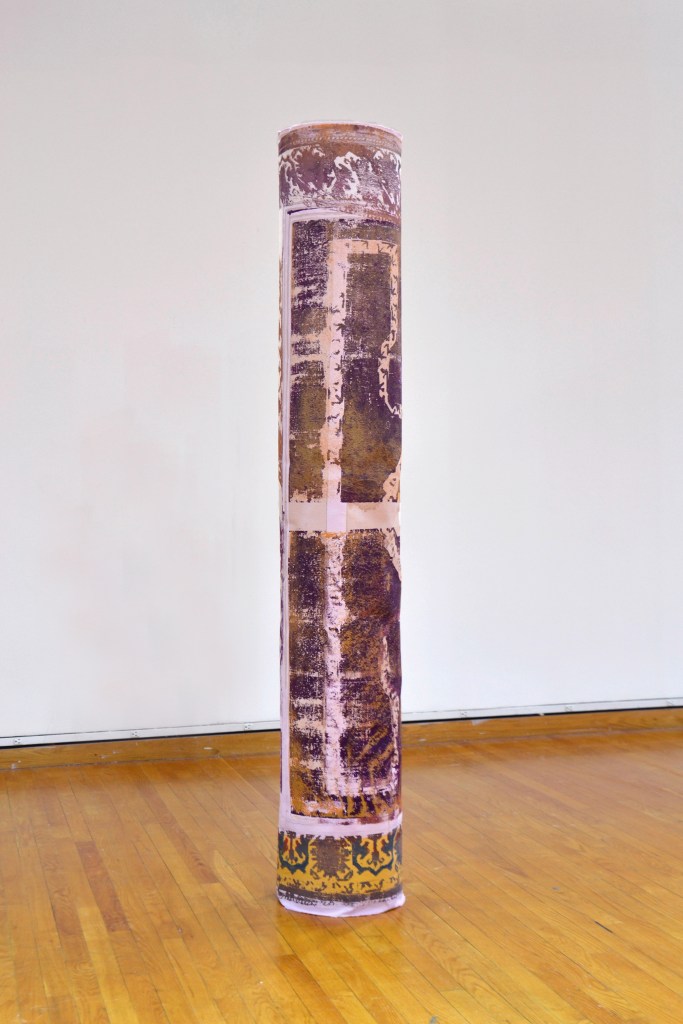
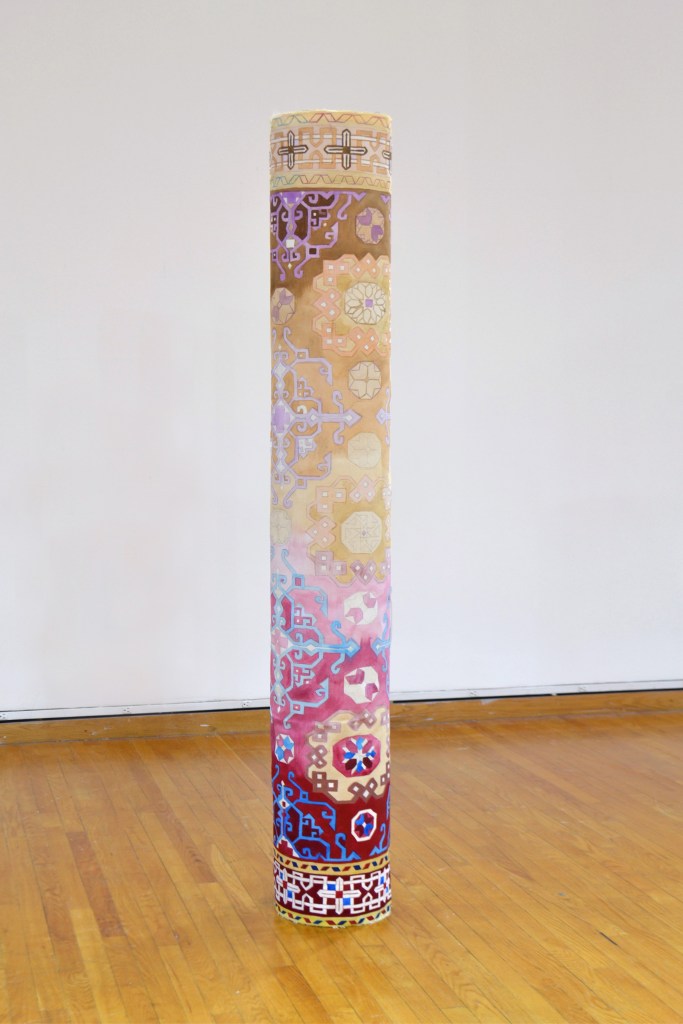
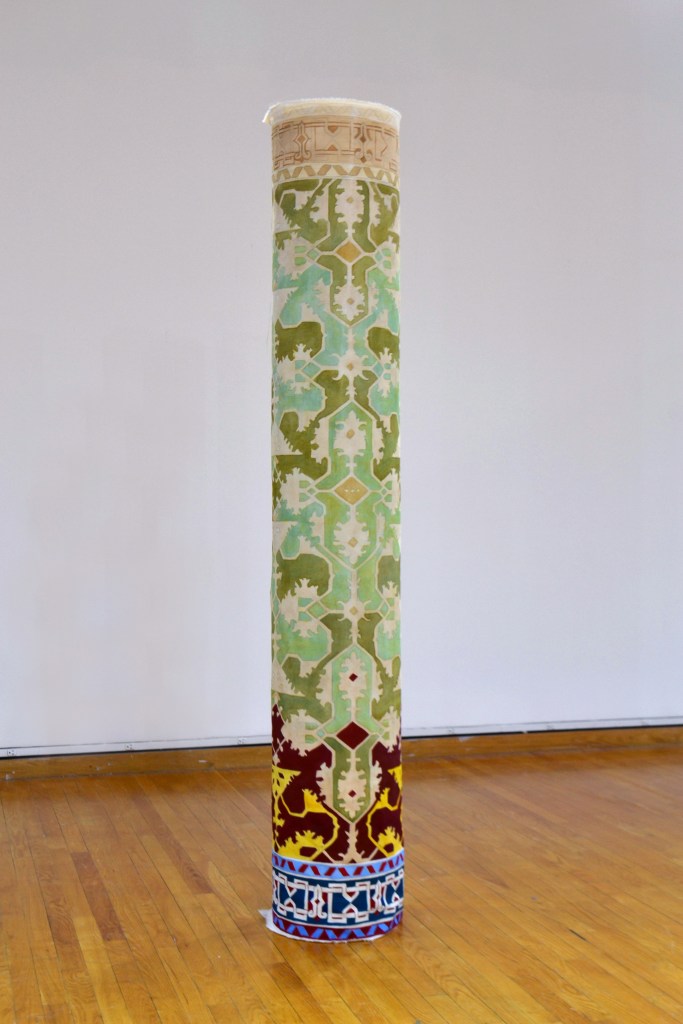
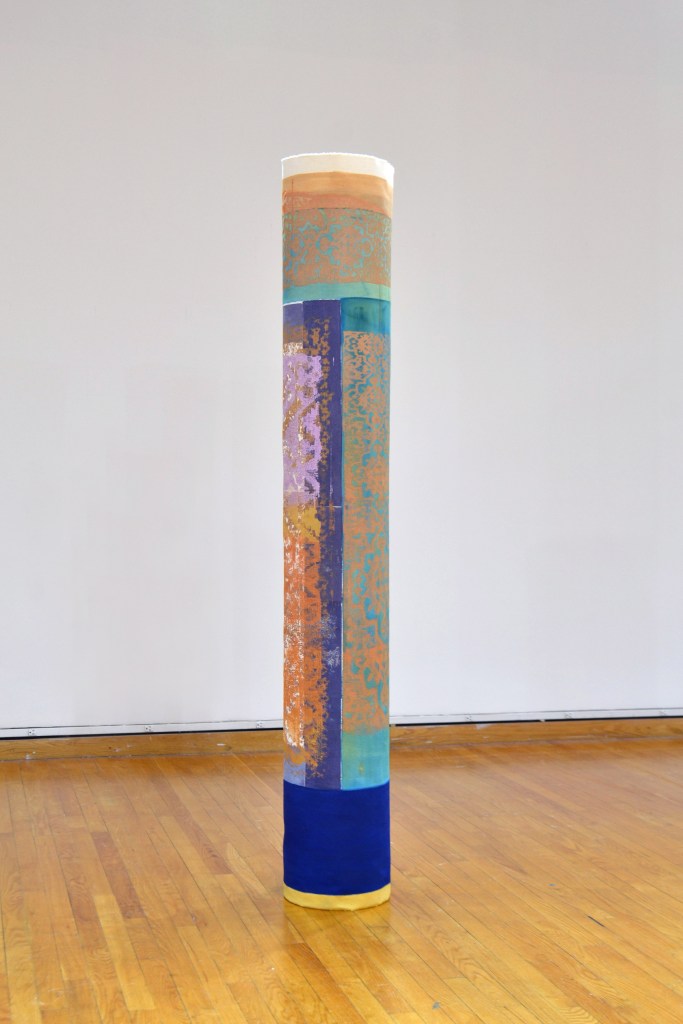

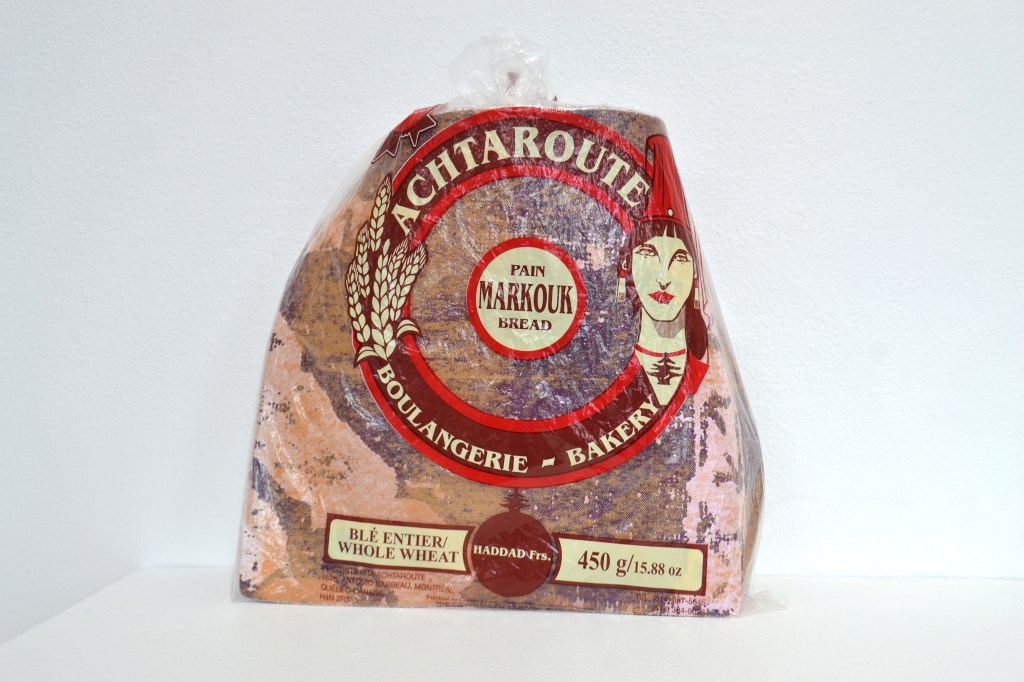
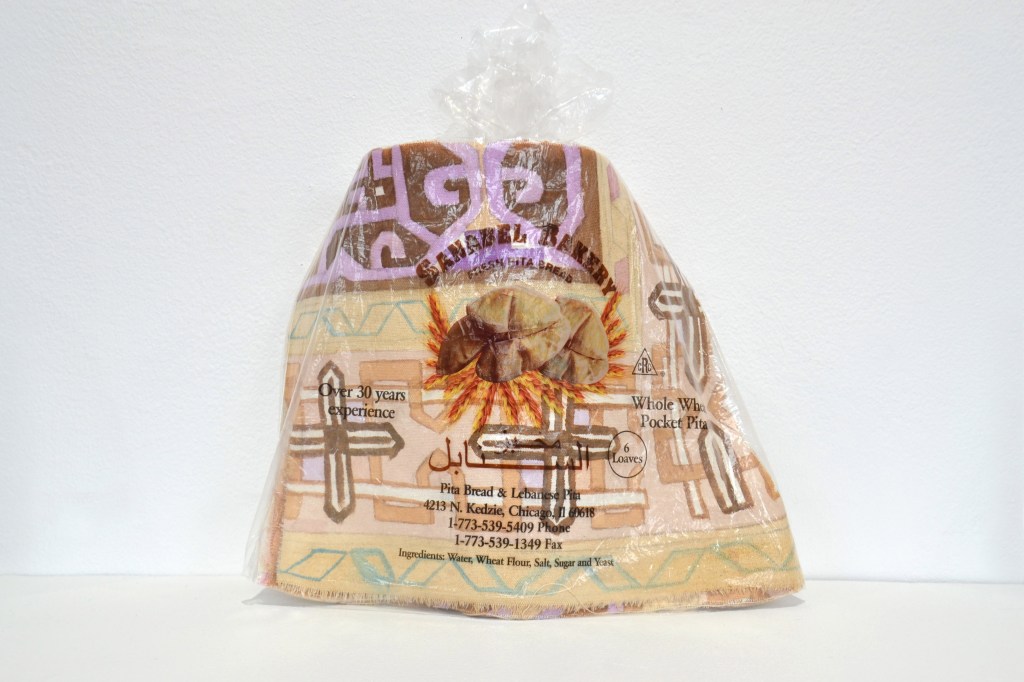
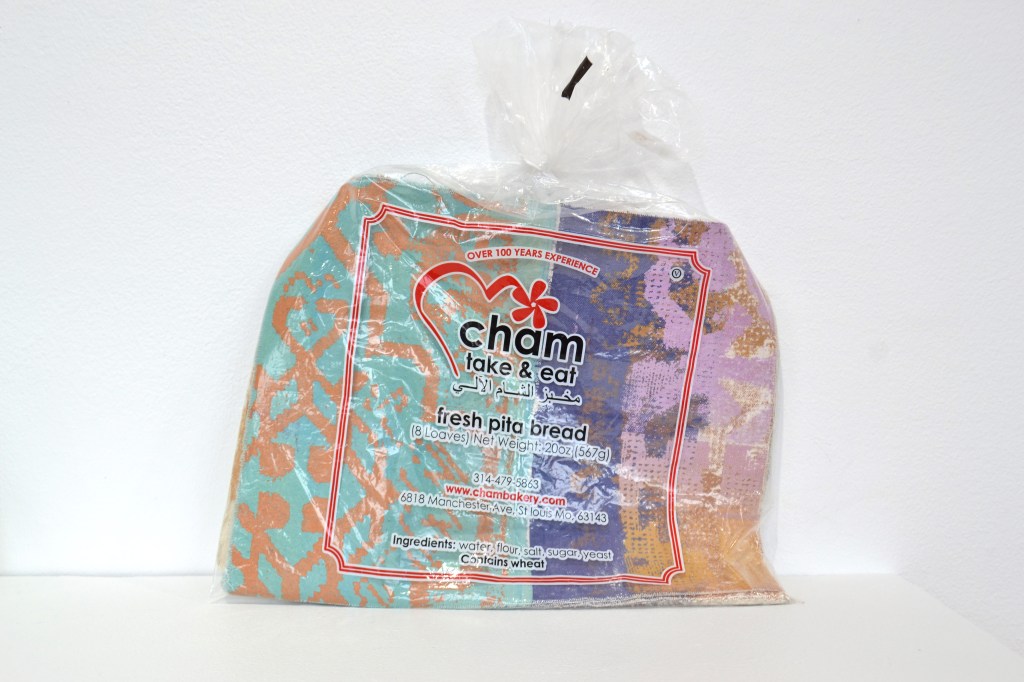
This body of work imagines the movement of historically known Ottoman-era Anatolian rugs departing and transforming as its own individual being. The rugs are originally known to be incorporated within Renaissance-era paintings such as the works of Lotto, Bellini, and Holbein. After learning that the rugs were adopted titles after the surnames of specific Renaissance painters in order to distinguish the patterns, the identity of the rugs has led me to believe that they objectively are both praised yet be seen as inferior in where they originate culturally and religiously. For me, the rugs incorporated within the original Renaissance works function as a decorative and/or background prop which enhances the work to be viewed as this grandiose representation of Christian iconographic depictions as well as an ethnically cleansed that is removed of its original purpose. Acknowledgement alone of mentioning the rugs and where it originated does not justify the historical and narrative gain that the Renaissance-era carries for representing the rugs as their own.
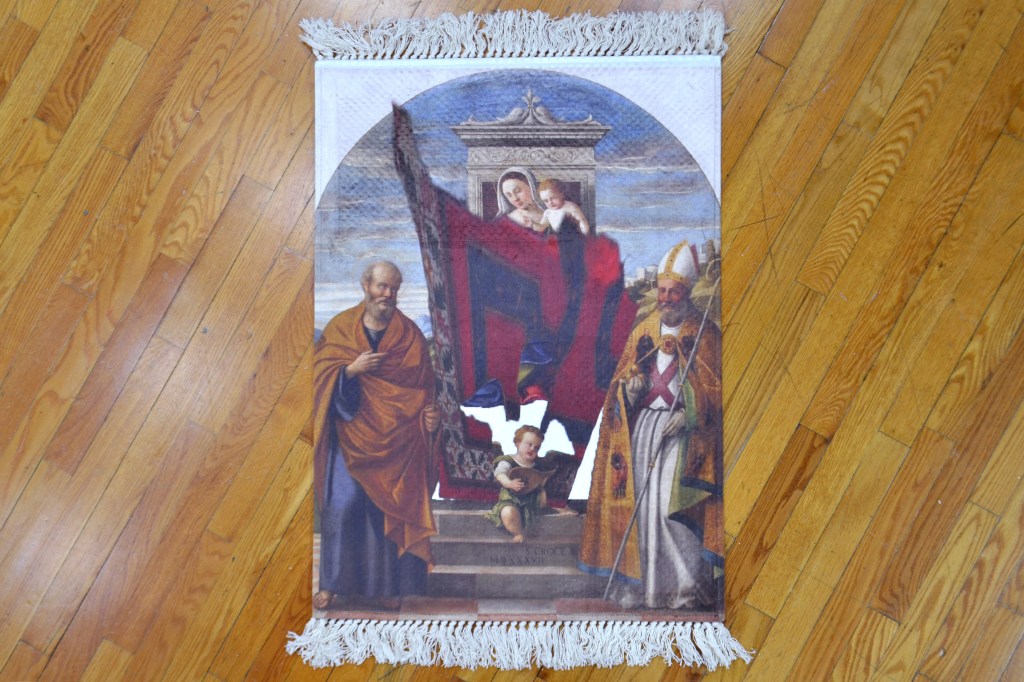
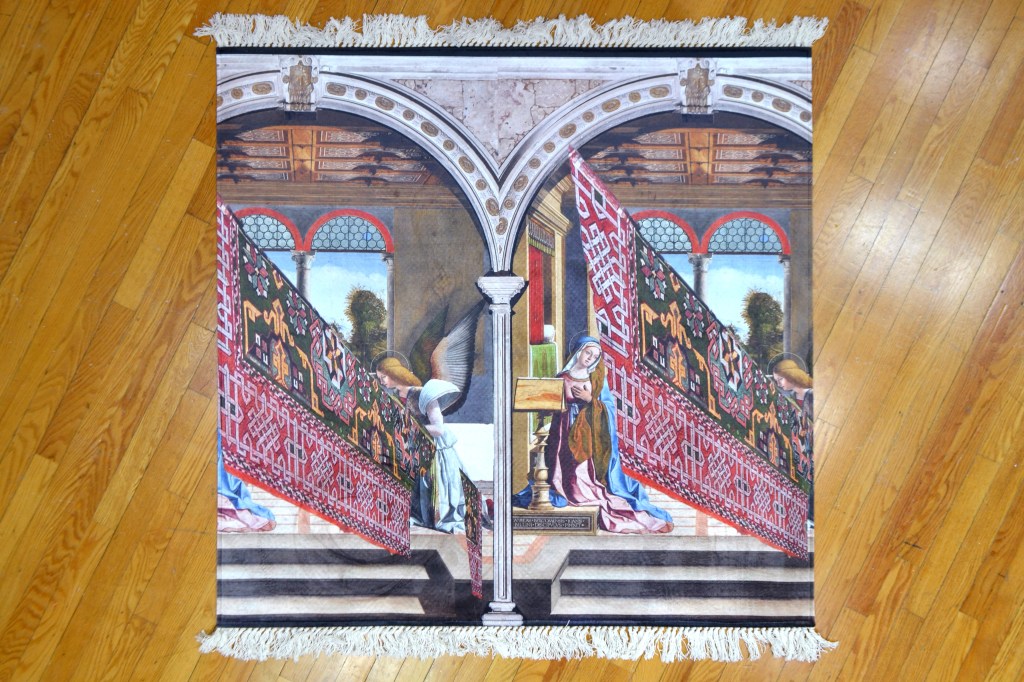
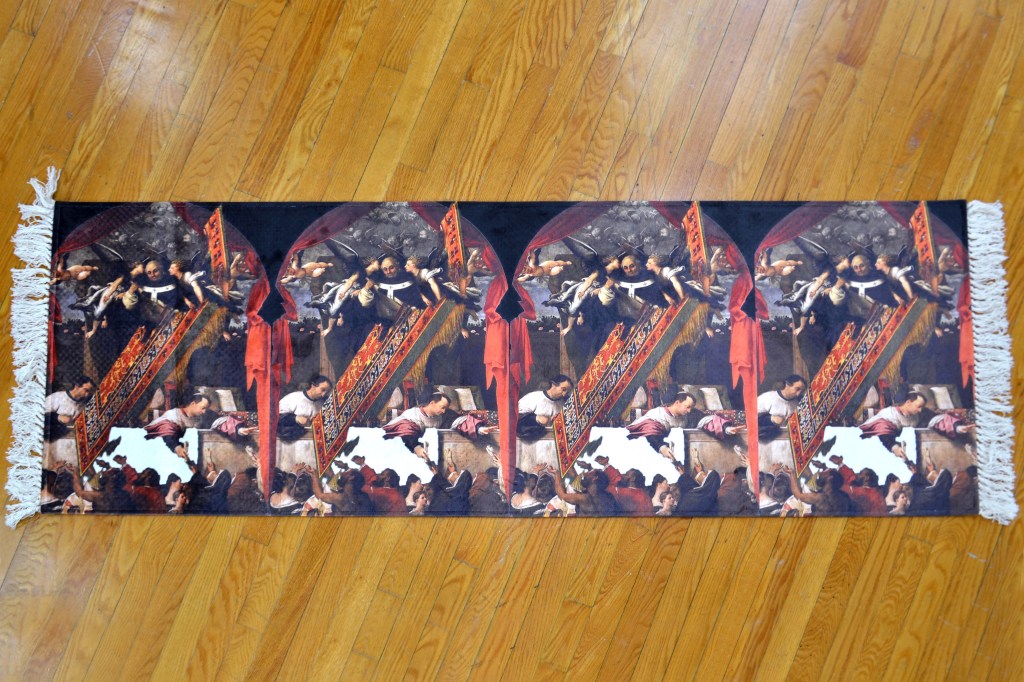
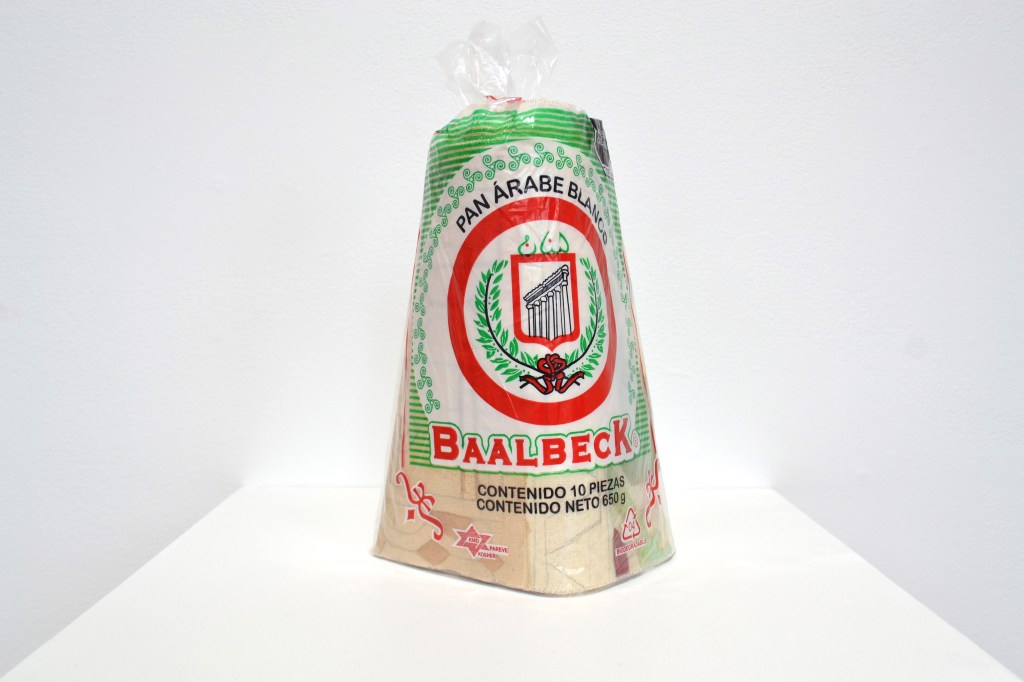
The display of the standing rugs are significant in being seen as physically present. Displayed in the manner of standing columns, the rugs give the impression of a rolled up rug with the patterns seen from the outside. The rolled up carpet patterns are to be seen as personified beings, transforming its original color and patterns and shifting to pastel colors and twisting and turning of the patterns in a literal uplift – a form of communicating their own narrative. For the digitally printed rugs depicting Renaissance works, the original scene is disrupted by a stretched out and expanded carpet in the work to emerge in the foreground, depicting the impression of its exit and leaving the Biblical scene of the image. Relating to removal and movement while introducing new forms of transformations, the rug patterns are torn into fragments and are transported inside individually labeled pita bread bags. This allows for both new and timeless existences to be practiced, preserved, and consumed.
