
__

Below Me are the Matriarchs Above Me
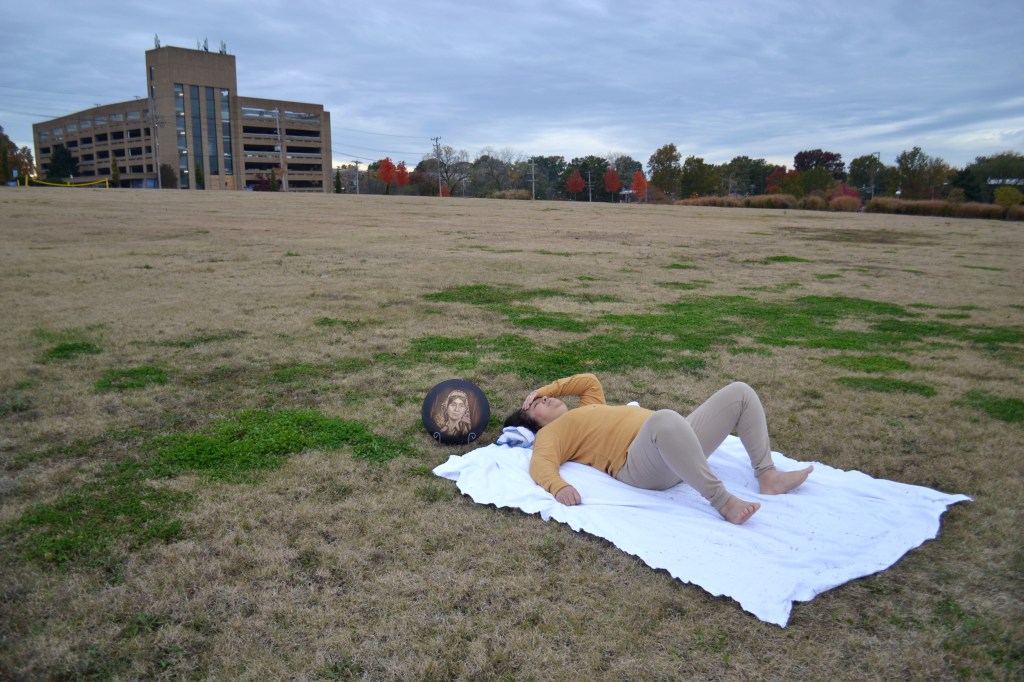
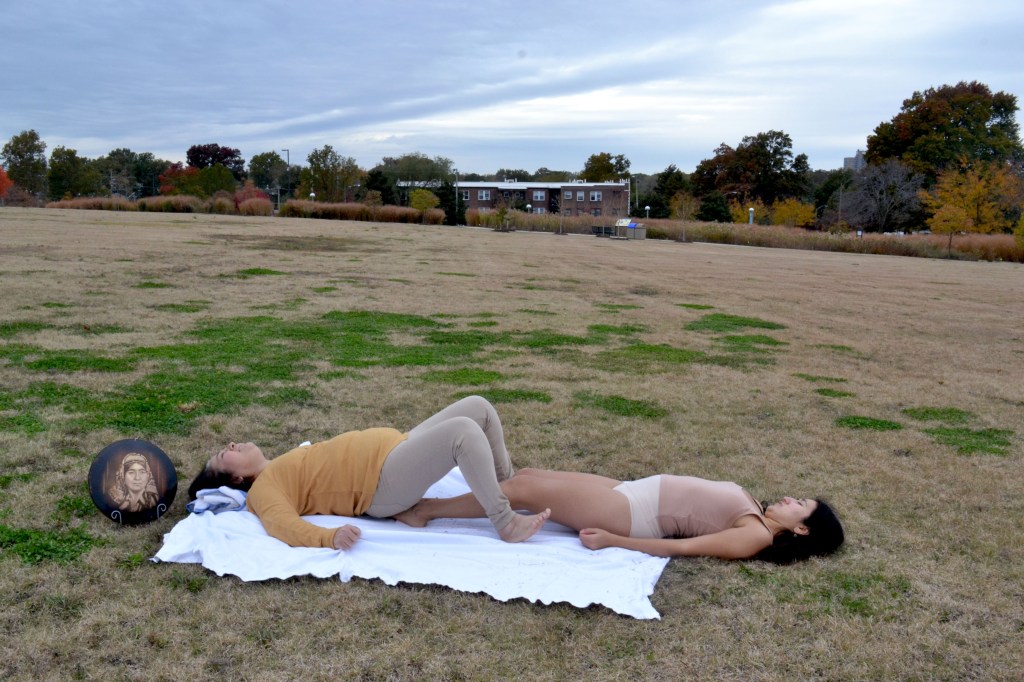
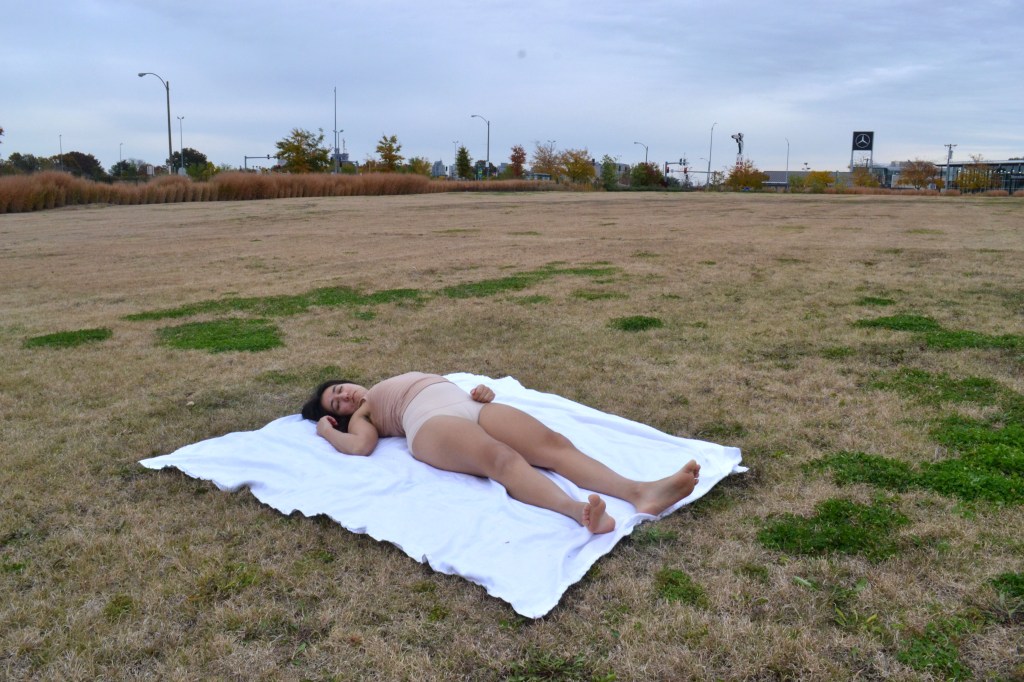
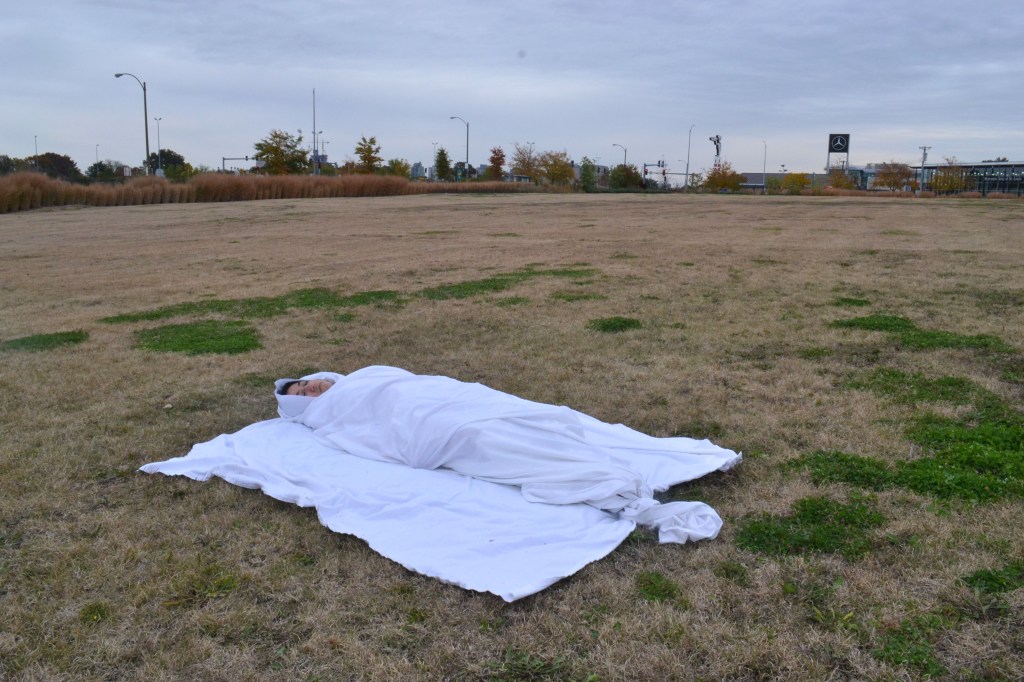
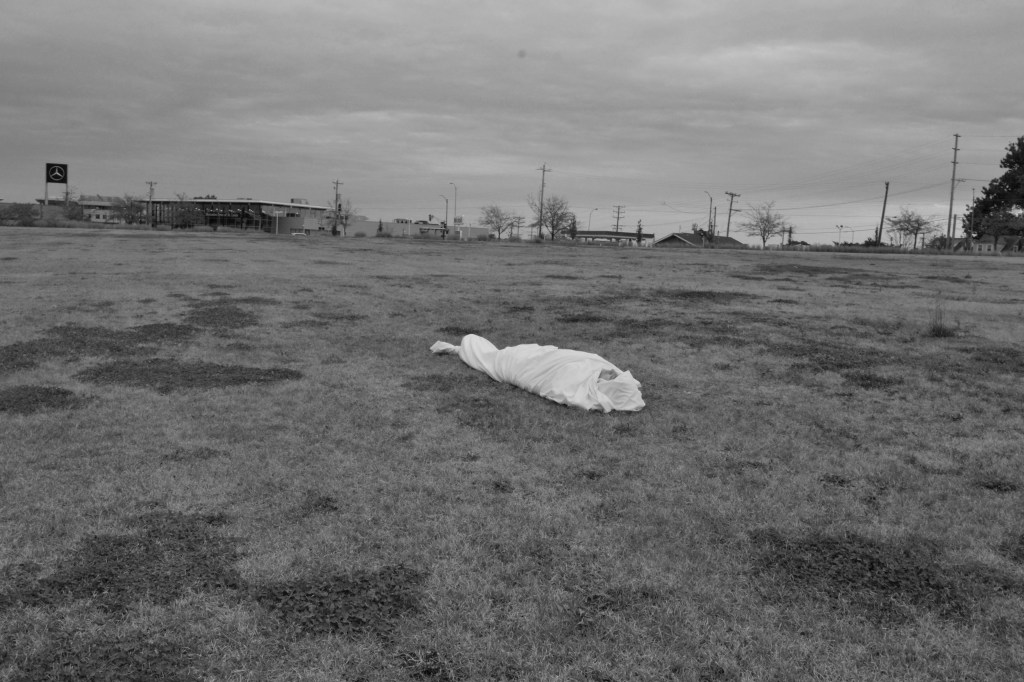
Influenced by Ana Mendieta’s Earth Body series, I took an interest in reenacting my birth to convey and reflect on notions of matriarchy, legacy, and recent family history of sudden young death and suicide, along with continuously examining my identity as first generation Muslim raised in the USA. In collaboration with my mother and late grandmother, this site specific project took place on the former grounds of the hospital I was born in, formerly known as Deaconess and later named Forest Park Hospital in Saint Louis, Missouri. The hospital eventually was abandoned and demolished by 2014. With erasure in mind, there is a constant internal and external voices of being told to remember where one and their families come from. In relation to where I biologically come from, I pay homage to my maternal as well as paternal matriarchy, for they are the ones who endure the most pain and sacrifices that derive from motherhood, their unfamiliar setting and settling as refugees, and their absence of personal fulfillment. Here, I want to emphasize my immediate and ancestral matriarchal figures in my life that deserve the most acknowledgement not only to be seen as mothers or wives, but as clever and strong-willed women. Contemplating about my own place in contemporary society, I question about how I am valued within my families, within the Muslim community, that isn’t narrowed down to cultural gender roles. What would my legacy look like if I were to die young or would it even be an afterthought simply because Muslim women of color are still disregarded within patriarchal Muslim/ethnic communities in America? With late relatives in mind, would my existence be instantly hidden, silenced if I were to do something culturally/religiously taboo like suicide, etc., regardless if I contributed positive attributes? The legacy of my familial matriarchs that came before me along with my own legacy is a duty of generational progression I intend to document and cultivate in order normalize the act of equal recognition for future generations to come.
__
Fooling The Eye
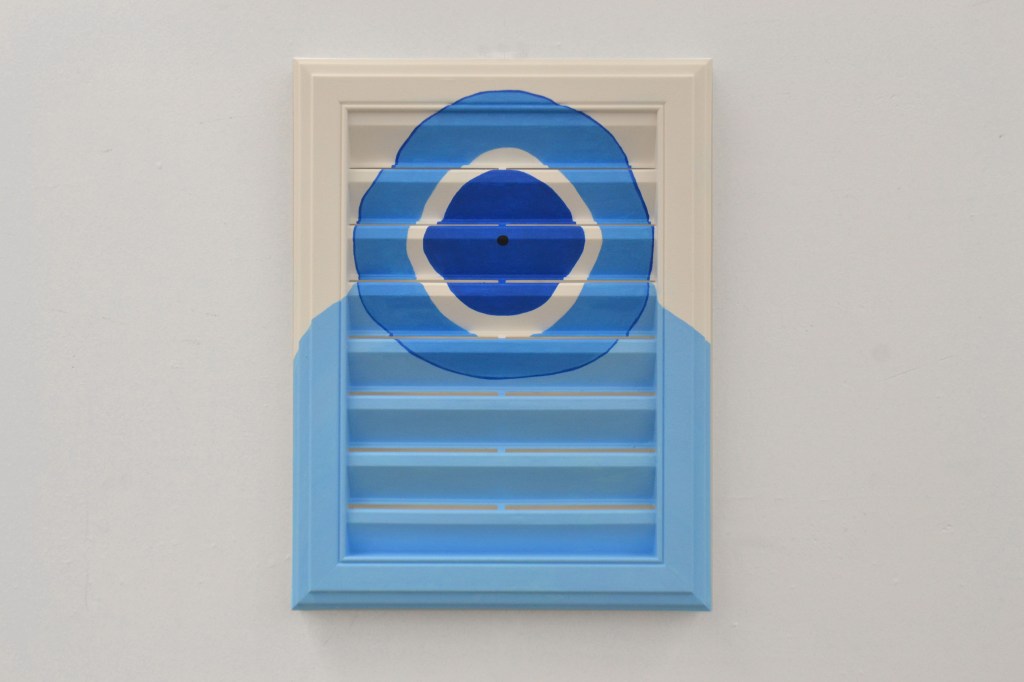
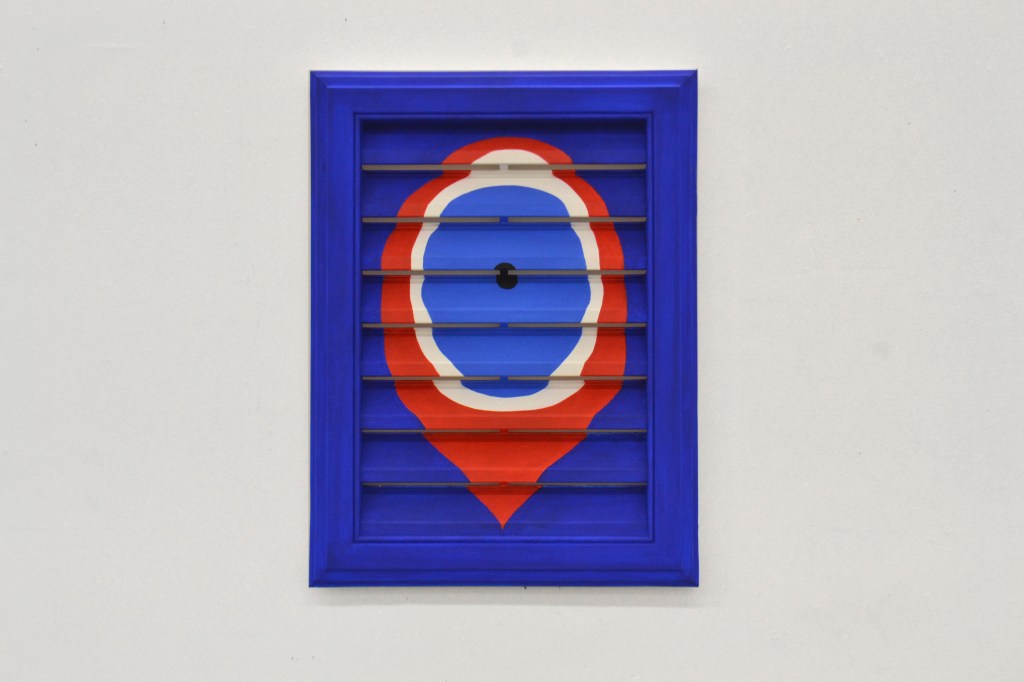
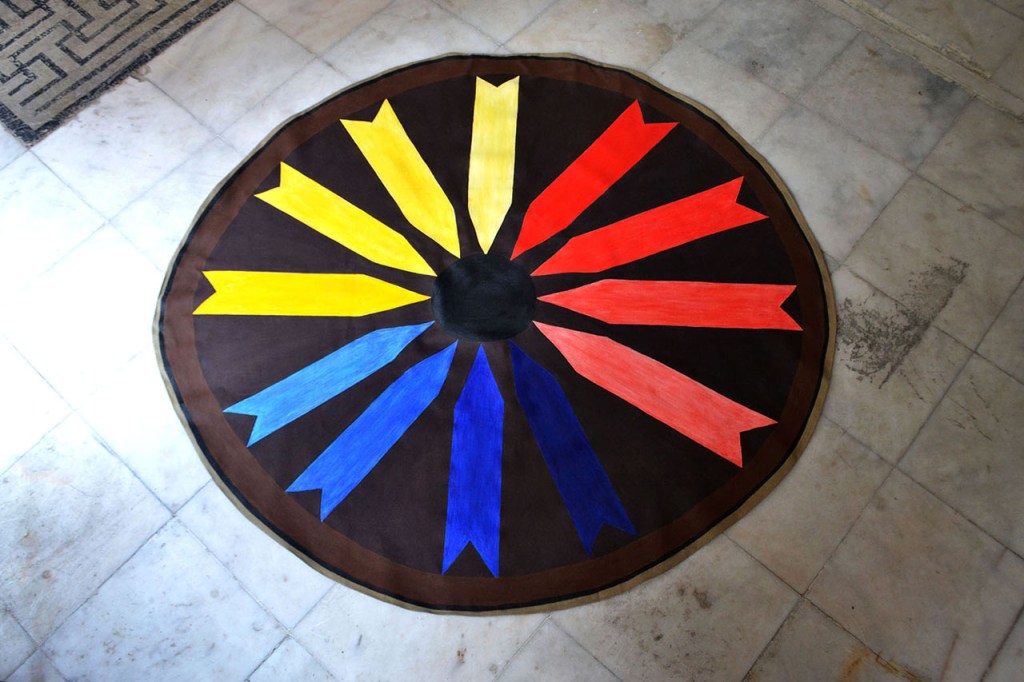
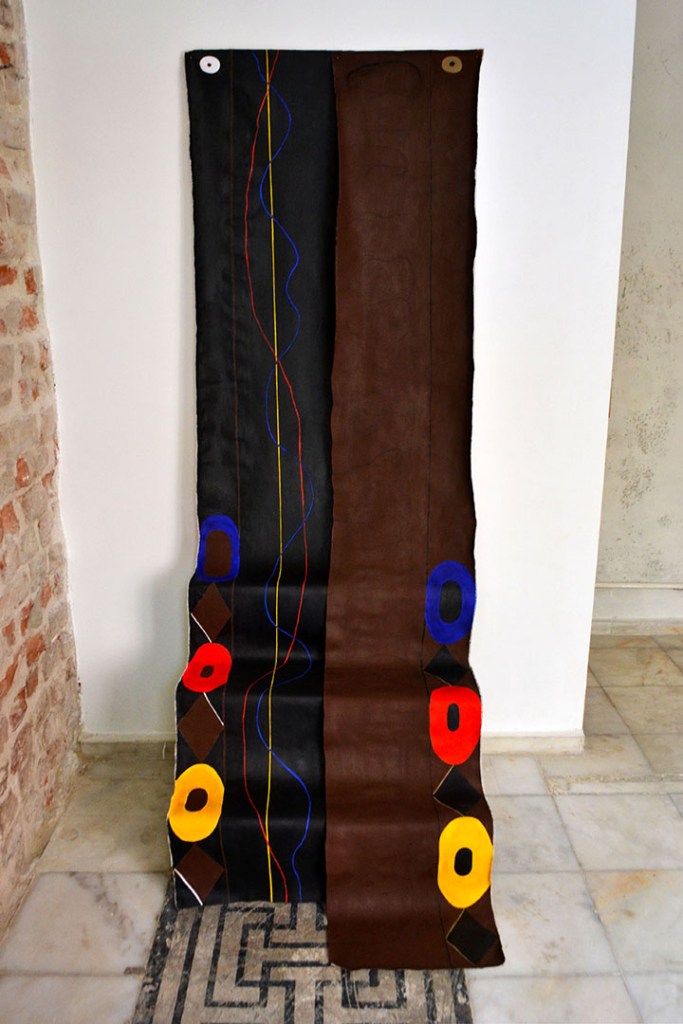
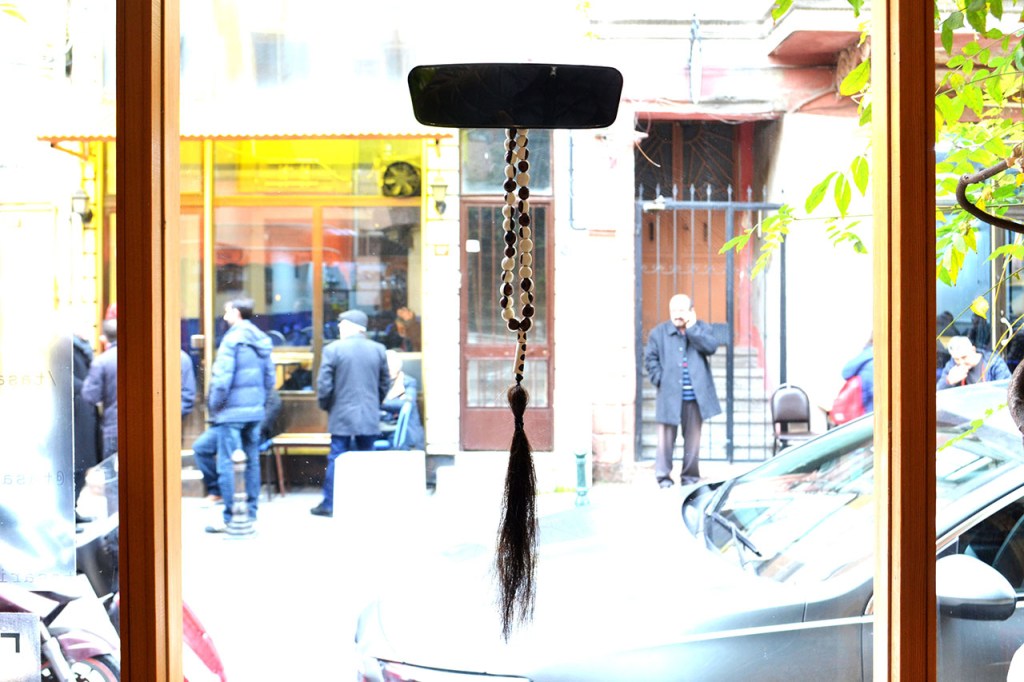
Influenced by the imagery of the Turkish evil eye, Fooling The Eye critiques on biological features, non-Eurocentric beauty standards and the color brown in relation to the foundation of primary colors, red, yellow and blue; when blending those colors together, a brown hue is the result. Another area that I examine are the notions of being ethnically ambiguous. Emphasizing on the color brown, I incorporate black hair as a reminder of empowerment. From there, I give agency and pride to the minority and Muslim presence by amplifying its distinct features that is considered as biologically dominant. At the same time, I want to convey a visual sense of indirectness that associates with being culturally/racially mixed and seen as ethnically ambiguous through memory and representation. The installations created for the Tasarim Bakkali’s gallery space raise questions about where does the color brown stand today in color theory and global art history and why does mainstream society still grip on western assimilation?
__



Square Root
This body of work focuses on representing the narrative of my experiences as a first generation American, mixed ethnic minority, Muslim and female and what it means to represent multiple identities.
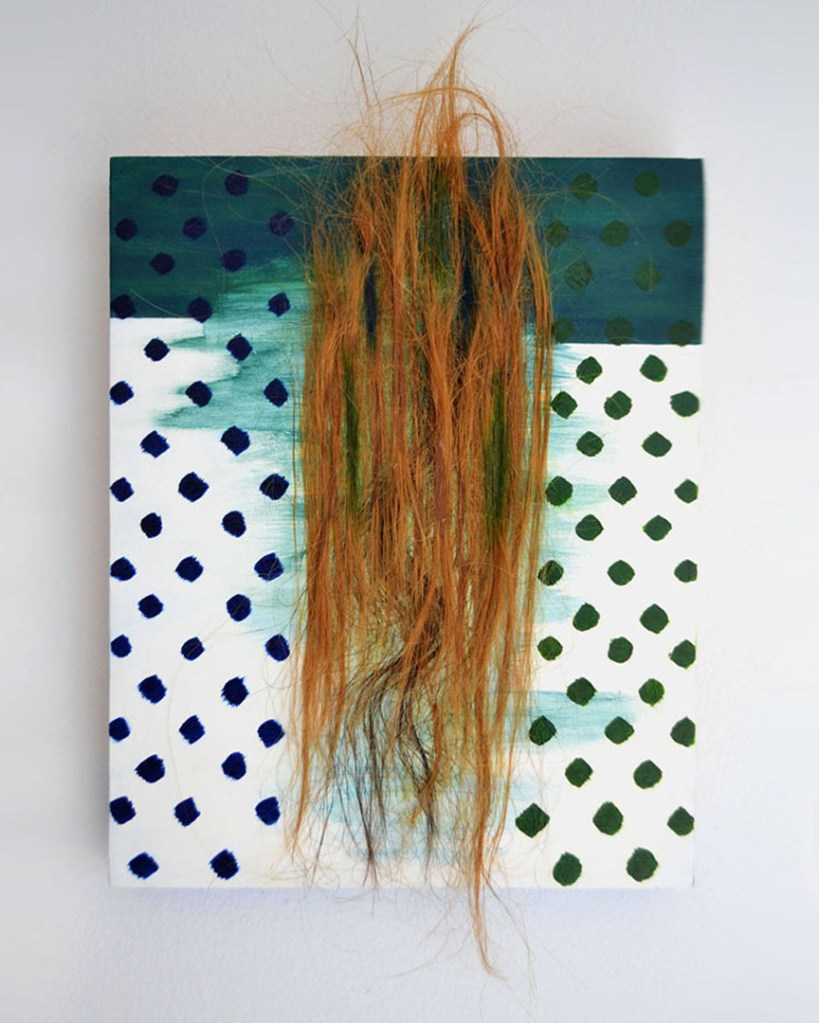
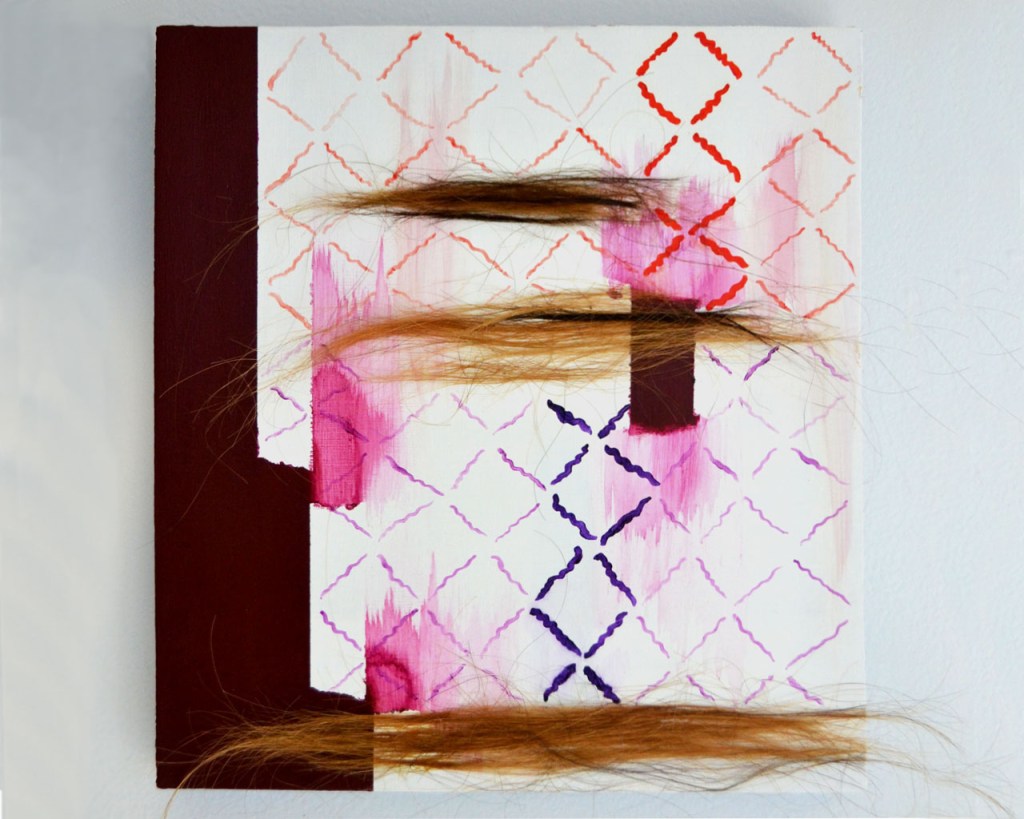
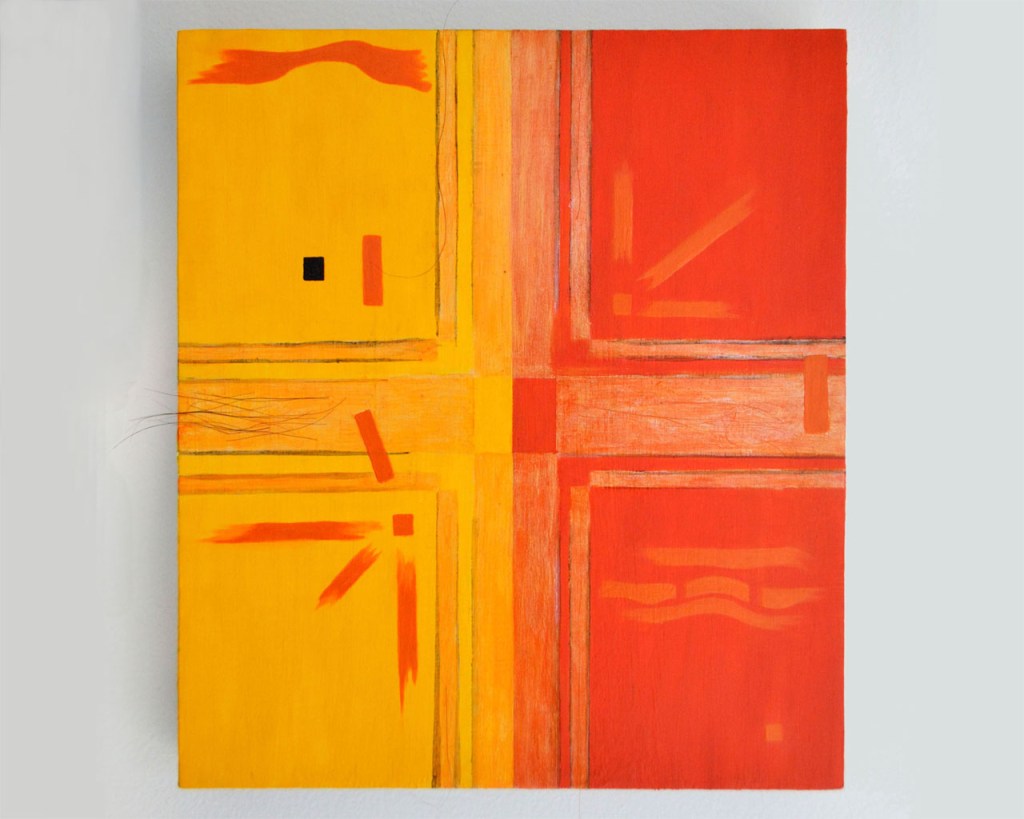
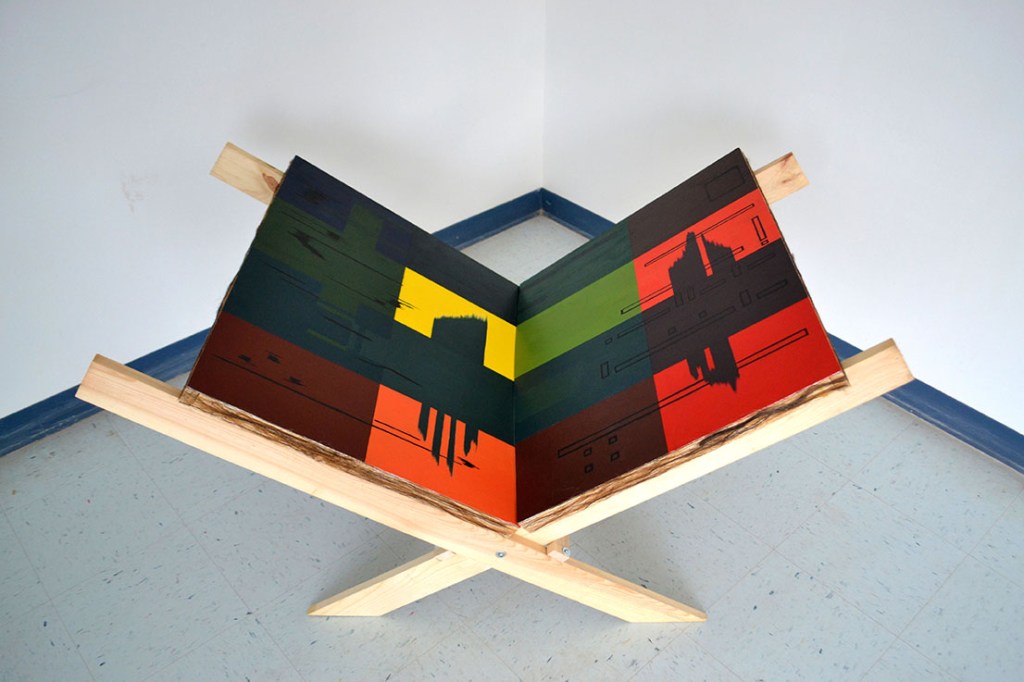
I collect significant sources and imagery that reference cultural textiles, bodily material, the traditional color wheel and biology. The early stages of my work depict prints and patterns that display my Palestinian and Uzbek cultural backgrounds. The prints and patterns are sourced from traditional attire from the Palestinian kuffiyeh and silk fabric from Uzbek ikat designs. I assemble the patterns in dynamic compositions to express my heritage through painting. I then literally incorporated myself–my own hair– in addition to the previously mentioned prints. Black hair and dyed blonde hair is laid on the surface and throughout installation. I see my hair as a symbol of awareness of my external appearance because I have always been surrounded by peers who possess lighter hair and eye colors and the dyed blonde hair refers to my attempts at western beauty assimilation. Examining my hair color had reignited my interest in Punnett Square diagrams from biology. Colors from the traditional color wheel play a key role in the Punnett Square process. I pick and choose the colors for each square and mix those colors containing primary, secondary, and tertiary colors which reflect potential probability of genes that is in relation to my mixed background and imagination of mixed offspring. As my work developed, I decided to display my 2d paintings and combine them through installation and sculpture. From these pieces, I re-explore my faith and reflect on the unique experiences as being raised Muslim.
From these shared identities, I have empowered myself through forms of embracement and embarrassment. By taking these influences, I am capturing notions of mindful observation, perception and conformity. It is a commentary on a clash of living a double exposure life between the home I was raised in and a dominant westernized environment. This work keeps me curious about the consequences that come with long term battles of imbalanced value sets that result from both settings. Do women from minority backgrounds tend to be the most vulnerable in these circumstances and if this is the case, is it possible to overcome these obstacles?
